
Media
Expert Advice & Unbeatable Service
Latest News & Media from IM
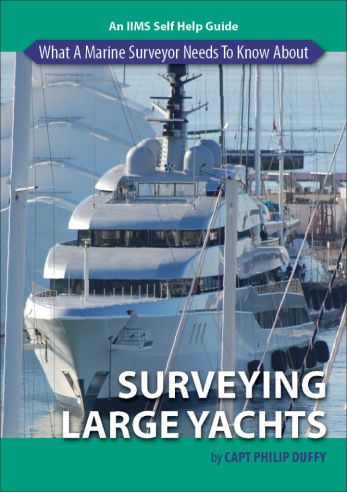
What a Marine Surveyor Needs to Know About Surveying Large Yachts
This handy guide aims to be practical, helping the reader to prepare, conduct, and document surveys efficiently while ensuring the safety of people and assets. Although this guide recommends best practices and inspection methods throughout, it should not be considered definitive.
Methodology may vary depending on the surveyor’s experience, the vessel type, client requirements, classification society rules, and flag-state regulations. Each surveyor must apply their own professional judgment and competence to adapt procedures appropriately.
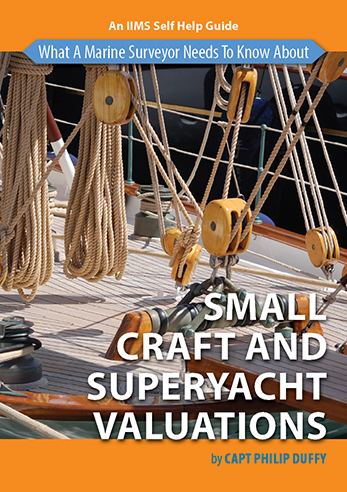
What a Marine Surveyor needs to know about small craft & superyacht valuations
The valuer’s job is to ensure that he or she lays out all the facts in a clear, concise, and logical manner, that is easily understandable by all concerned, and that his or her conclusions clearly justify his or her final valuation. The role of the valuer is a contentious one at the best of times, and attempting to value something like a yacht that is often considered by the owner to be their pride and joy, or a potential for bankruptcy, can be a difficult and nerve-wracking process for a surveyor. Phil hopes that his advice given in this booklet aids in some way, small craft surveyors to provide more accurate and justifiable valuations.
Phil Duffy is the managing director of Interface Marine, a yacht and boat survey company established in 2006. The company carries out all types of survey work on small boats to Super Yachts, along with vessel valuations. Phil initially trained as an engineer before following a career at sea spanning 30 years on both sides of the Atlantic, including Master and Chief engineer on Super Yachts up to 50 meters, dive operations in the Caribbean and Central America, and as Master on Commercial High Speed Ferries.
Phil is quoted as saying that his “most valuable experience gained towards becoming a successful small craft surveyor, was with five years spent as a charter boat skipper in the Caribbean in the early nineties, when it wasn’t unheard of to sail overnight to find a fax machine, and if something broke you had to quickly learn how to fix it!”
